"A proposed Celebrity Protection Law isn’t about giving famous people special privileges—it's about fixing structural loopholes in press and social media regulation to prevent targeted, commercialized harassment."

Modern commercialized media operates under a business model that treats personal trauma and psychological distress as marketable content. Under the current landscape, the legal mechanisms designed to protect individuals from harassment fail spectacularly when applied to public figures, creating a highly lucrative market for coordinated campaigns of public humiliation.
The proposed framework breaks down into four specific legal pillars and privacy protocols, establishing standard duty-of-care requirements and dismantling the systemic financial motivations behind tabloid harassment.
1. The Legal Pillars: Restructuring Accountability
The Statutory Duty of Care for Media Vulnerability
Currently, the Crown Prosecution Service (CPS) has a duty of care, but commercial media outlets do not have a statutory, legally binding duty regarding the mental health of the people they cover.
Introduce a legally enforceable Duty of Care standard. If an individual is known to be experiencing a mental health crisis or extreme vulnerability (such as a private medical or domestic emergency), media outlets would face severe financial and civil penalties for publishing sensationalized, unverified content that exacerbates that vulnerability.
Eradicating the "De-Regulation" Loophole (A Statutory Regulator)
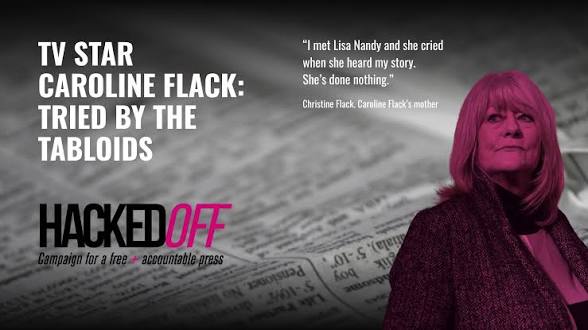
The current UK press regulator, IPSO (Independent Press Standards Organisation), is funded by the newspapers themselves and criticized by campaigners like Hacked Off as "toothless."
Mandate that all major publishers belong to a genuinely independent, state-recognized statutory regulator with the power to issue front-page corrections equal in size to the original headline, alongside multi-million pound fines for structural harassment.
2. Privacy Protocols: Changing Media Standards
Strict Limits on Unverified Interception & Leaked Evidence
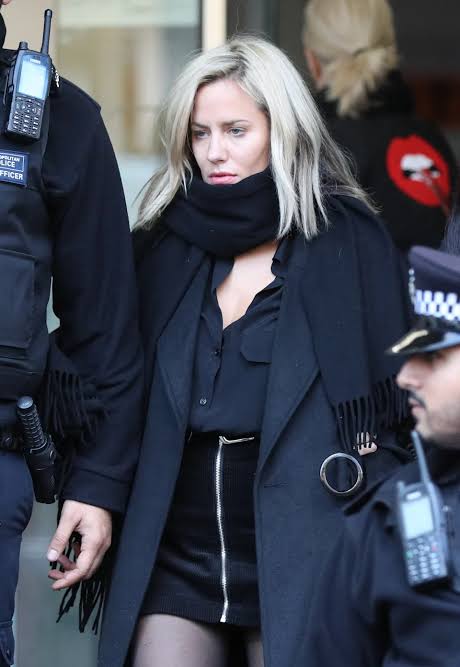
In Caroline Flack's case, the publication of highly personal, graphic images of her private home following an arrest severely distorted public perception before she ever had a chance to defend herself in court.
Implement an absolute ban on publishing unverified "leaked" scene-of-crime photographs, private text messages, or single-source hearsay regarding ongoing legal matters where no conviction has been reached. Freedom of speech (Article 10) would be strictly balanced against the right to a fair trial and absolute privacy (Article 8) before a verdict.
The Right to De-Index "Clickbait Amplification"
Tabloids rely heavily on SEO (Search Engine Optimization) to keep tragic or sensational stories trending for days, driving massive ad revenue.
A mandatory fast-track legal mechanism allowing individuals under severe psychological distress or their legal representatives to require search engines and social media platforms to temporarily "de-index" or suppress sensationalized clickbait. This disrupts the financial incentive to turn a personal crisis into a permanent public spectacle.
✦ Remembering Caroline

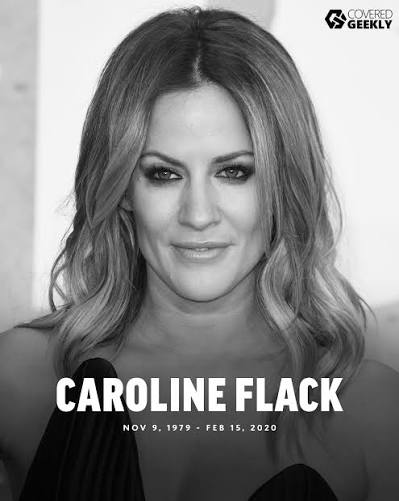
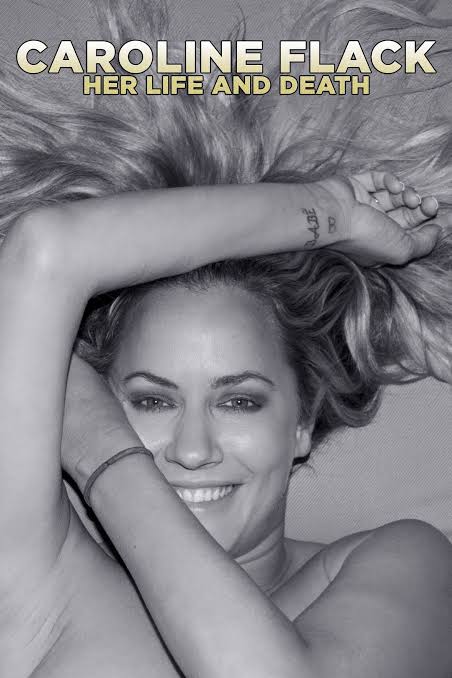

The Core Legal Argument
The defense from tabloids has historically been "public interest." Our movement directly challenges this definition: Public interest means exposing corruption, political lies, or corporate crime—it does not mean exposing a private citizen's mental health crisis or relationship breakdown for commercial profit.