The Breach of the Right to Life
An Inherent, Universal Right
The right to life is the most fundamental of all human rights, for without it no other right can be exercised. It is inherent—it belongs to a person by virtue of being human, not granted by any state and not forfeited by rank, office, or nationality. It protects the pauper and the president alike.
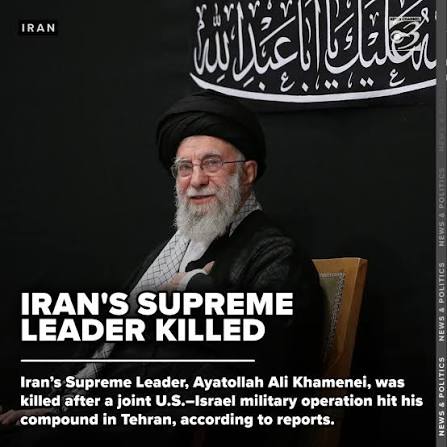
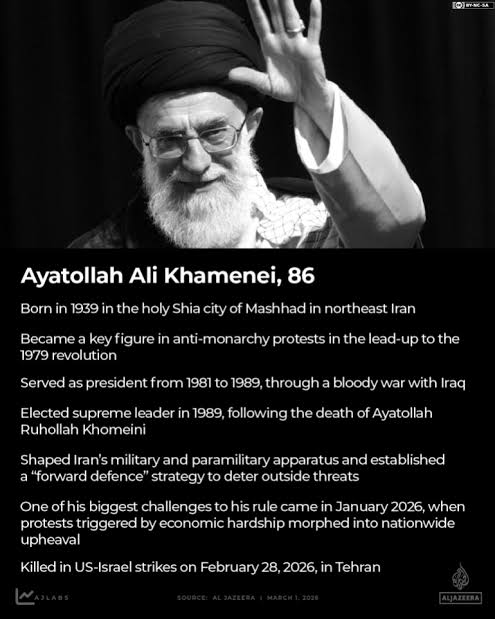
A breach of the right to life occurs whenever a person is deprived of their life arbitrarily—that is, outside the narrow, strictly defined circumstances that international law permits. The killing of a head of state, including Ayatollah Ali Khamenei, is a breach of this right unless it can be squarely justified under one of those exceptions. Where the killing bypasses due process, is not a response to an imminent threat to life, and does not occur within the lawful confines of an armed conflict against a legitimate combatant, it is an extrajudicial execution—and therefore a direct violation of the human right to life.
1. International Human Rights Law (Peacetime)
The right to life is a foundational human right, enshrined most prominently in Article 6 of the International Covenant on Civil and Political Rights (ICCPR), which states: "Every human being has the inherent right to life. This right shall be protected by law. No one shall be arbitrarily deprived of his life."
The "Arbitrary" Standard: Under human rights law, a state may only use lethal force when it is strictly necessary and proportionate to protect against an imminent, direct threat to life (essentially, self-defense).
Extrajudicial Killings: Outside of an active, legally recognized armed conflict, the targeted killing or assassination of an individual—including a foreign leader—is considered an extrajudicial execution. Because it bypasses due process and does not meet the strict "imminent threat" criteria of law enforcement, it is an arbitrary deprivation of life and a direct breach of human rights.
2. International Humanitarian Law (Armed Conflict)
If a situation is legally classified as an active international armed conflict (a state of war), the laws of armed conflict apply. Under IHL, the "right to life" is interpreted through the lens of military necessity and distinction.
Legitimate Targets: IHL permits the lethal targeting of combatants and those directly participating in hostilities, while strictly protecting civilians.
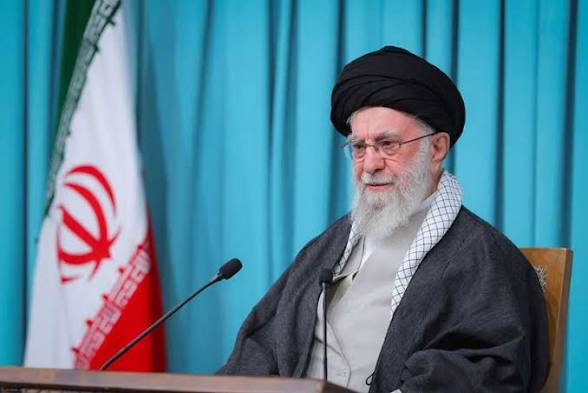
The Commander-in-Chief Dilemma: Ayatollah Khamenei is the political head of state, but under the Iranian Constitution, he is also the Commander-in-Chief of the Armed Forces.
Legal Debate: While military commanders in an active war zone are considered legitimate targets, the targeting of high-level political leaders who also hold military titles is legally complex. If a leader is primarily engaged in political, civilian governance rather than directly commanding tactical military operations, striking them is often viewed by international legal scholars as a violation of IHL, which consequently violates their right to life.
3. State Sovereignty & The UN Charter
Beyond individual human rights, the targeted killing of a foreign head of state by another nation involves the United Nations Charter. Assassinating a foreign leader violates a nation's sovereignty and breaches the prohibition on the use of force under Article 2(4), unless the attacking state can prove the strike was legally justified under the right of self-defense under Article 51 against an armed attack.
Summary & Conclusion
In summary, unless it occurs within the strict legal confines of an active armed conflict where the individual is actively functioning as a military combatant, or under the strict requirements of imminent self-defense, targeting a state leader is recognized internationally as an extrajudicial killing and a breach of the human right to life. Human rights are for all—and the protection of life applies equally, from the highest office to the ordinary citizen.